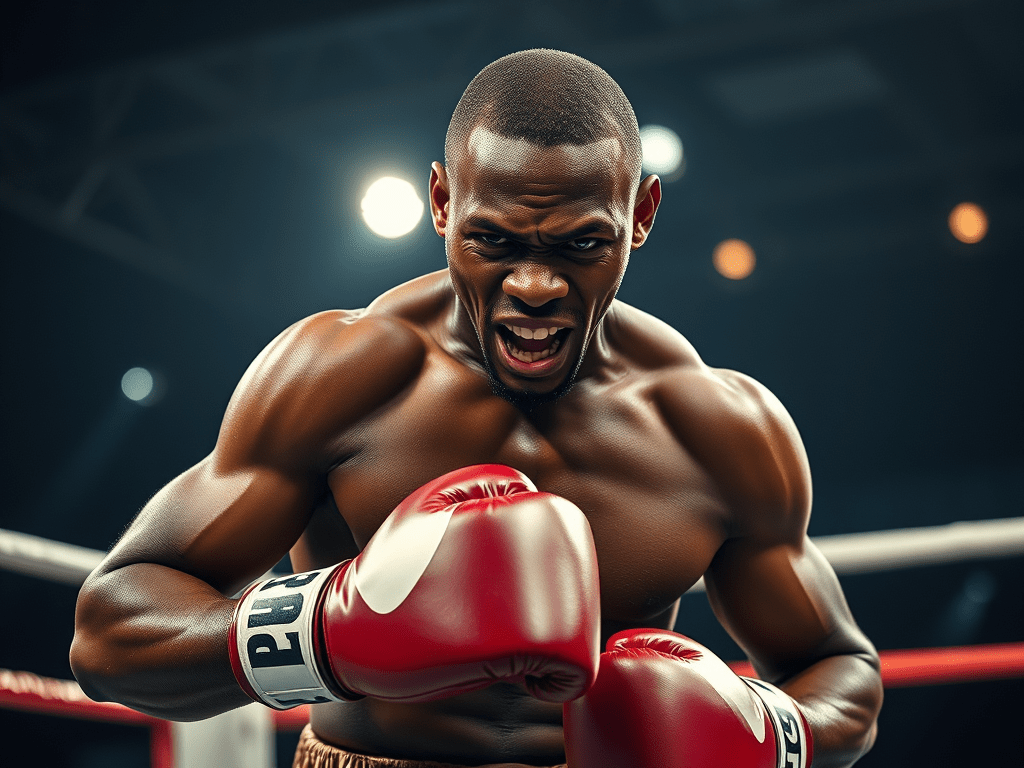
Muhammad Ali is a sports GOAT.
And it’s not just because of his magnetic personality, entertaining fighting style, strong determination, unmatched speed, quick agility, or great boxing skills.
It’s also because of his innate ability to electrify audiences with unparalleled charisma, paired with his methodical use of mental warfare to gain a psychological edge and fluster his opponents.
Sonny Liston was a victim of this.
Leading up to the much-anticipated championship bout in 1964, a young and brash Ali (then known as Cassius Clay) engaged in some of the most brutal exercises of psychological tactics in sports history; unleashing a series of witty, poetic, and humorous threats upon Liston, the reigning champion at the time.
“Sonny Liston is nothing,” Ali said. “The man can’t talk. The man can’t fight. The man needs talking lessons. The man needs boxing lessons. And since he’s gonna fight me, he needs falling lessons.”
It didn’t stop there.
Ali continued to berate and torture Liston during the build up, continuing to use his quick wit and mental tactics to unsettle Liston, a formidable fighter known for his ferocious punching power and intimidating presence in the ring.
Ali’s innovative antics ranged from predicting the moment he would deliver a vicious knockout to taunting Liston with clever rhymes and playful jabs; each designed to manipulate the narrative around the fight, paint Liston as a villain, and put him on edge.
Such was the ferocity of Ali’s taunts, Liston visibly became irritated on many occasions; particularly annoyed by Ali’s insistence on calling him a “big, ugly bear” and incessant promises that he would “whup him like he was his daddy.”
In the end, the smack talk proved to be effective.
On February 25, 1964, in Miami Beach, Florida, Ali took on Liston, who was heavily favored to win.
Using a combination of speed, footwork, and most importantly, effective trash talk and taunting, Ali frustrated and dominated Liston and by the start of the seventh round, Liston was unable to continue due to a shoulder injury.
Ali’s historic victory caused a massive shift in the boxing landscape, solidifying his place in history and catapulting him into stardom. It also marked the beginning of a boxing great, who’d go on to become one of the most intriguing, prolific, and spellbinding communicators in combat sports.
A Look at the Best Trash Talkers
Trash talking is not just about boasting and hurling insults.
It’s an effective psychological tool used to intimidate, provoke, distract, disrupt focus, and throw a person off their game.
Let’s take a closer look at some of the greatest trash talkers in combat sports.
Muhammad “The Greatest” Ali
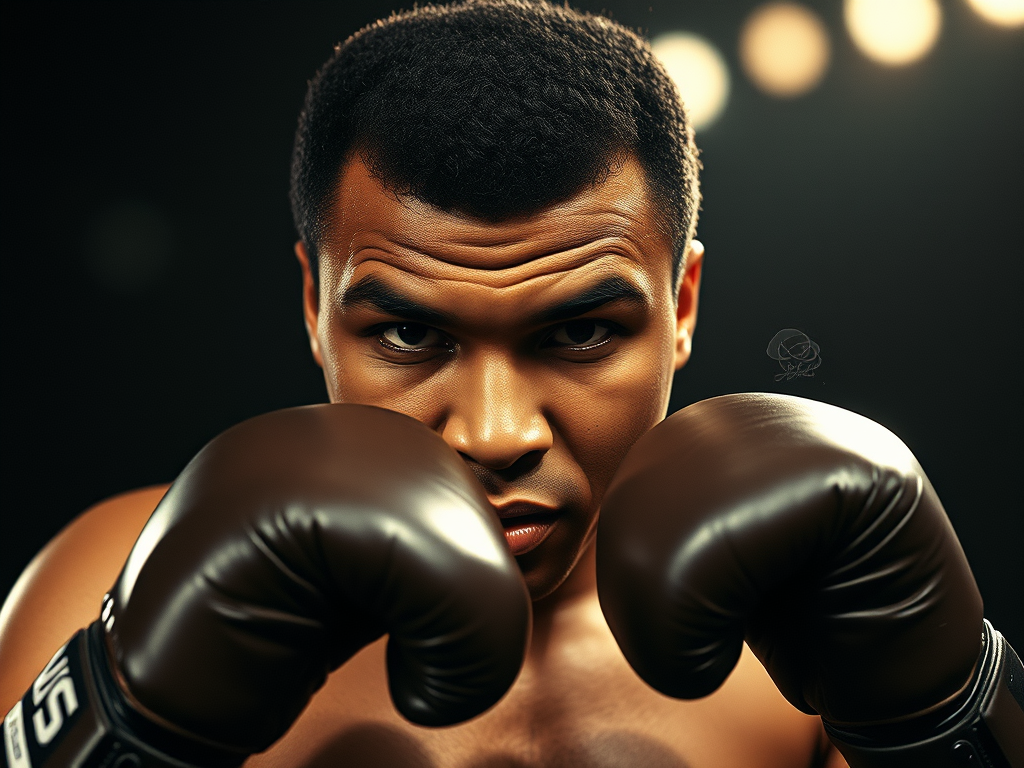
Known for his poetic and “rap-style” insults, Ali was one of the first boxers to effectively use the media to showcase his gift of gab.
Ali’s trash talk is legendary and seen as one of the most entertaining and effective psychological tactics in sports history.
The boxing great didn’t just insult opponents, he made it an art form; infusing his communicative displays with rhythmic, witty, and humorous taunts.
Joe Frazier, one of Ali’s fiercest rivals, reflected on the intense rivalry between the two and admitted that Ali’s insults had taken a toll on him: “It was personal,” he said, recalling their bitter exchanges. “He went too far.”
Ali’s trash talk wasn’t solely based on putting down his opponents. He also aimed to entertain; building his larger-than-life persona in the process.
Ali’s words served as a fierce psychological weapon; angering and frustrating his opponents and even causing them to doubt themselves before stepping into the ring.
Some of his most iconic moments came from his public ridiculing of George Foreman, a legendary and hulking boxing figure, who had knocked out many of the fighters he had faced.
Aware of Foreman’s ability, Ali relied on sharp and relentless taunts to get under his skin prior to their historic 1974 fight, termed the “Rumble in the Jungle” in the African nation of Zaire.
On one occasion, Ali even lambasted Foreman’s boxing skills, saying: “I’ve seen George Foreman shadow boxing, and the shadow won. I’ll beat him so bad, he’ll need a shoehorn to put his hat on.”
Ali also relied on other styles of communication where he would deliver riveting pieces of poetry and playful exaggerations of his abilities:
“I’ve wrestled with alligators, I’ve tussled with a whale. I done handcuffed lightning and thrown thunder in jail. You know I’m bad. Just last week, I murdered a rock, injured a stone, hospitalized a brick. I’m so mean, I make medicine sick!”
Perhaps one of the most compelling aspects of Ali is he often backed up his trash talk with entertaining and rousing victories, including a famous knockout win against Foreman in the 1974 heavyweight championship fight in Zaire.
Ali eventually retired in 1981 with a record of 56 wins and 5 losses over a more than 20-year span; becoming the undisputed champion from 1974 to 1978 and the WBA and Ring heavyweight champion from 1978 to 1979.
“He transcended sports. He was more than just a fighter—he was a hero, a leader, and an inspiration.”
– Sugar Ray Leonard, one of the greatest boxers and welterweights of all time
Conor “The Notorious” McGregor

A master of pre-fight rituals and press conferences, mixed martial artist Conor McGregor quickly became one of the greatest trash talkers in combat sports.
Oozing confidence, McGregor took the Ultimate Fighting Championship (UFC) by storm with his engaging, audacious, entertaining, witty, and flamboyant style; using humor, cutting insults, and stinging verbal exchanges to gain an advantage over his opponents.
“Conor McGregor is the best salesman in sports right now,” said Mike Tyson, a boxing great and one of the most feared fighters in the ring.
A compelling part of McGregor’s trash talk is his knack to make accurate predictions on how his fights would end; often finishing elite fighters with a swift karate-style grace and ease.
He famously described how he would knock out then lightweight champion Eddie Alvarez before the UFC 205 card in 2016.
“You’re blessed that I chose you. You’re blessed that I chose to whoop your ass,” he told Alvarez, before defeating him in a dominant display.
McGregor was also a true believer in his ability, often talking in such a manner where victory seemed nothing more than a formality, causing his opponents to doubt themselves.
During the build up to his much anticipated fight with featherweight champion Jose Aldo in 2015, McGregor put on one of the best trash-talking displays in combat sports.
“I own Rio de Janeiro, if this was a different time, I would invade his favela on horseback, and kill anyone who wasn’t fit to work,” he said. “But we’re in a new time, so I’ll whoop his ass instead.”
McGregor would go on to knock out Aldo in just 13 seconds, seizing the undisputed featherweight championship. The knockout was the fastest finish in a UFC title fight.
“Conor is a big talker, but I like it. He sells the fight better than anyone.”
– Floyd Mayweather (before their much-publicized boxing match in 2017)
Floyd “Money” Mayweather
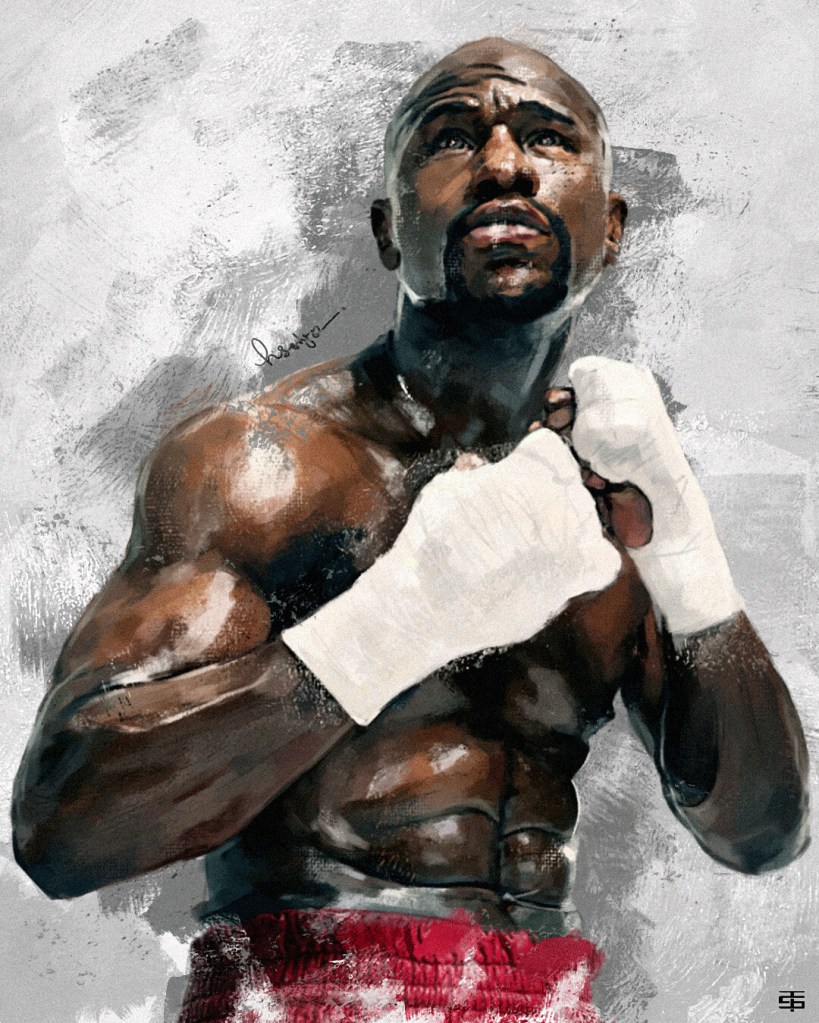
Widely regarded as one of the best boxers in history, Floyd Mayweather’s style of trash talk featured a blend of arrogance, mind games, and gaudy displays of his money, jewelry, and wealth; a tactic that endeared him to fans, but also made him a divisive figure.
One of Mayweather’s biggest attributes was his ability to project an aura of confidence and use this image to sell fights. He often referred to himself as “TBE” or The Best Ever and took every opportunity to remind people of his undefeated record.
“I’m the best ever. I don’t care what you say,” he said. “No fighter in history has done what I’ve done.”
Mayweather’s flashy lifestyle was a big part of his gamesmanship, often flexing his wealth and showing off stacks of cash, private jets, and expensive watches to get under his opponents’ skin.
He also consistently referred to himself as “Money Mayweather.”
“I got Ferraris, Bentleys, Rolls-Royces, and I’m just getting started,” he’d brag.
Much like his successful predecessors, Mayweather was a master at getting into a contender’s head before a fight.
Before defeating boxing legend Oscar De La Hoya in decisive fashion in 2007, he taunted: “You can have the Golden Boy, but I’m the Pretty Boy. And Pretty Boy Floyd is gonna whoop you.”
He also employed a similar tactic to frustrate MMA star Conor McGregor before their scheduled exhibition boxing match in 2017.
“You’re a quitter,” he told him. “You tap out. I don’t quit. I’m undefeated.”
Despite Mayweather’s playboy and showy image, he often backed up his trash talk, defeating boxers with his elite defensive skills, effective counterattacks, and high fighting IQ.
Mayweather would remain undefeated during his dominant reign, earning a record of 50 wins and 0 losses.
“He talks a lot, but he never loses. That’s why he gets away with it.”
-Mike Tyson
“Iron Mike” Tyson
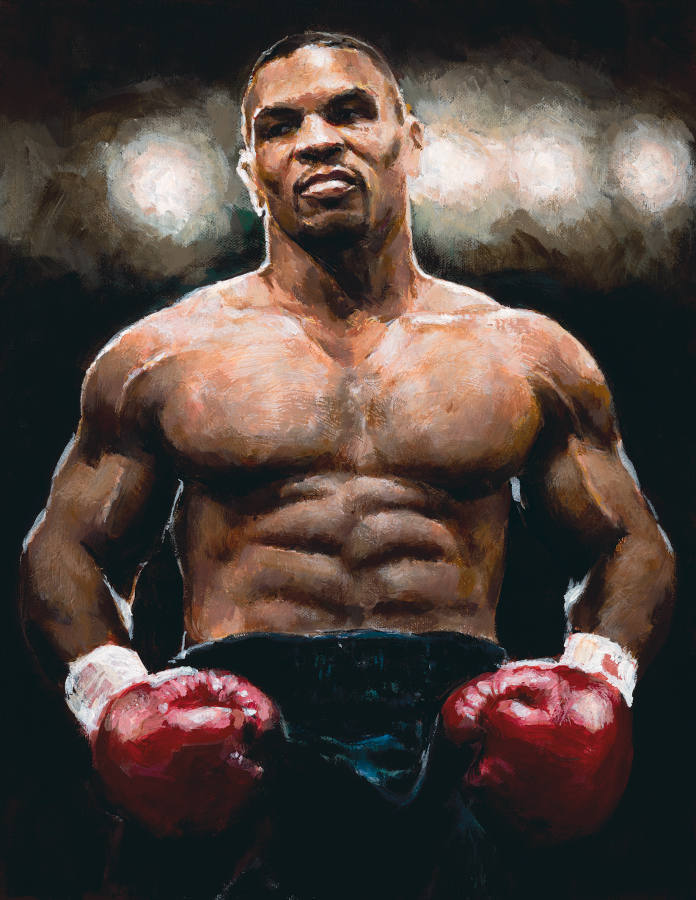
While Ali’s trash talk tended to be more poetic and playful, and Mayweather’s more flashy and arrogant, Mike Tyson adopted a more raw, aggressive, intimidating, and terrifying approach.
Tyson wasn’t just satisfied with beating his opponents; he was intent on destroying them mentally, often unleashing extreme threats of violence.
“I’m the best ever. I’m the most brutal and vicious, and most ruthless champion there’s ever been,” Tyson said, before his fight with Lennox Lewis. “No one can stop me. Lennox is a conqueror? No! I’m Alexander! He’s no Alexander!”
When speaking about Tyson’s intimidating tactics, Lennox himself later admitted: “He had an aura of fear. You could see it in people’s eyes when they fought him.”
Tyson also used humor and showmanship to scare his opponents.
“I’m going to hit him so hard that he’ll wake up in the past,” he told Trevor Berbick before their scheduled fight in 1986.
Unlike other fighters who resorted to long speeches, Tyson’s trash talk was concise, direct, and lethal. He also was a master of non-verbal intimidation, menacingly staring into the eyes of his opponents during face-offs; making them visibly uncomfortable.
“Tyson wasn’t just a fighter; he was a presence. People were scared of him before the bell even rang.”
-Dana White (UFC President)
Final Thoughts
Trash talk is more than just a verbal sparring session. It is a psychological weapon; a strategic tool that the best athletes use to break a person’s focus and confidence.
By cleverly exploiting weaknesses, skilled trash talkers are able to force their opponents to second-guess their abilities and strategies, sow seeds of doubt and frustration, and make them more vulnerable to mistakes.
Ultimately, effective trash talk exemplifies the intricate blend of psychology and strategy, illustrating the immense power that words can wield.
So what did you think about this topic? Who’s your favorite trash talker of all time? Are there any other athletes who should make the list?
Let me know in the comments below!
About the Author

Charles Anietie Iyoho
I’m a communication coach, award-winning technical communicator, blogger, professor, and sports aficionado.
For communication advice, uplifting musical content, and thought-provoking interviews and blog content, join me at: https://anietiecommunity.com/why-i-started-this-community/.
Make a one-time donation
Make a monthly donation
Make a yearly donation
Choose an amount
Or enter a custom amount
Your contribution is appreciated.
Your contribution is appreciated.
Your contribution is appreciated.


One response to “The Art of Trash Talk in Combat Sports”
late to comment sorry – but this is a great spin on trash talking (which I tend to always think of as negative) – well done on the reframe!! Linda 🙂
LikeLike